Author
Summary
The ACT Modelling Society's Weekend Workshops at Deakin Private
Every second Saturday, a group from the ACT Modelling Society arrives at Deakin Private Hospital carrying toolboxes packed with paint, glue and tools built for working in miniature. They set up in the Deakin Private Hospital art room, preparing the space with everything needed.
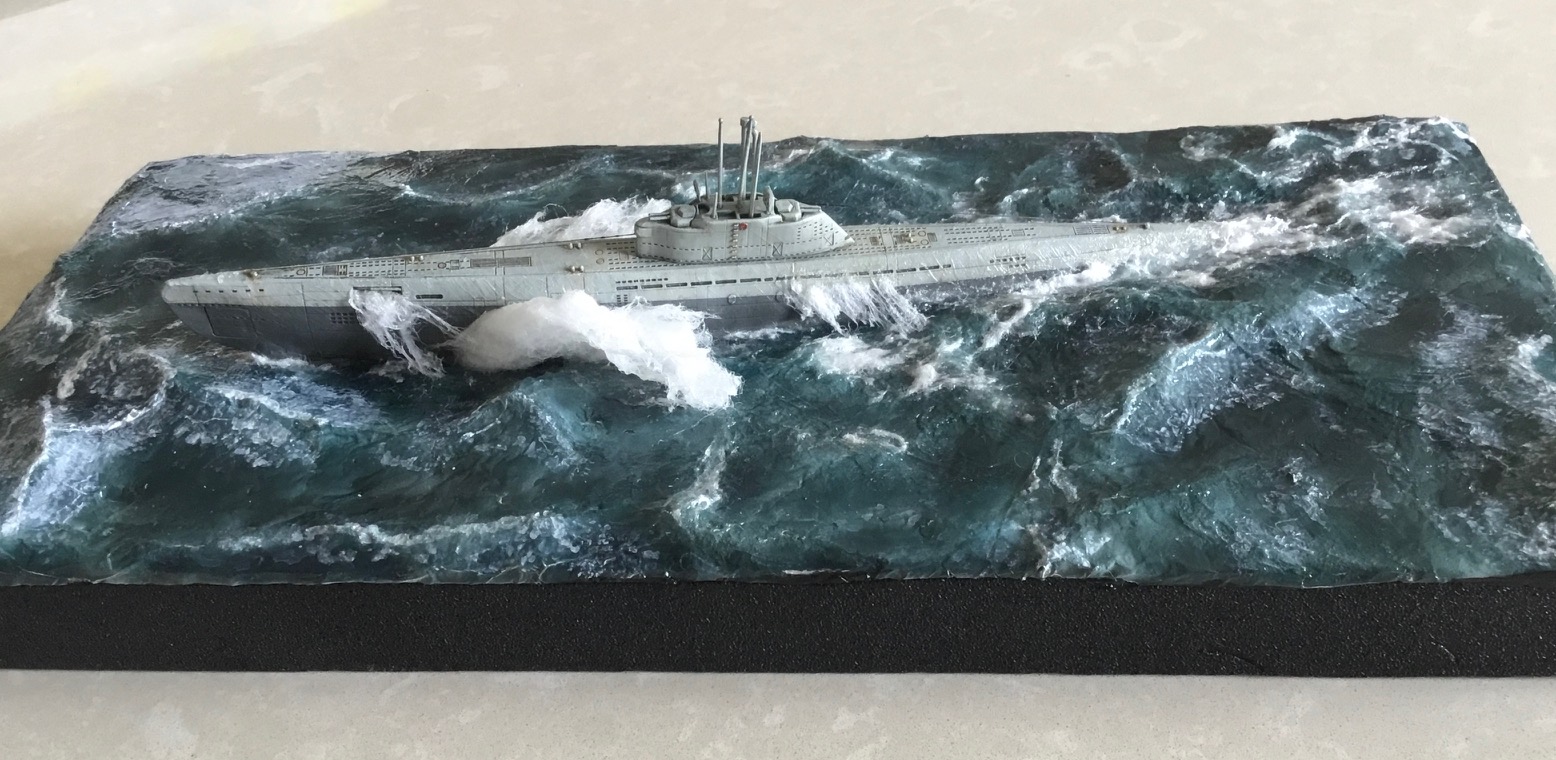
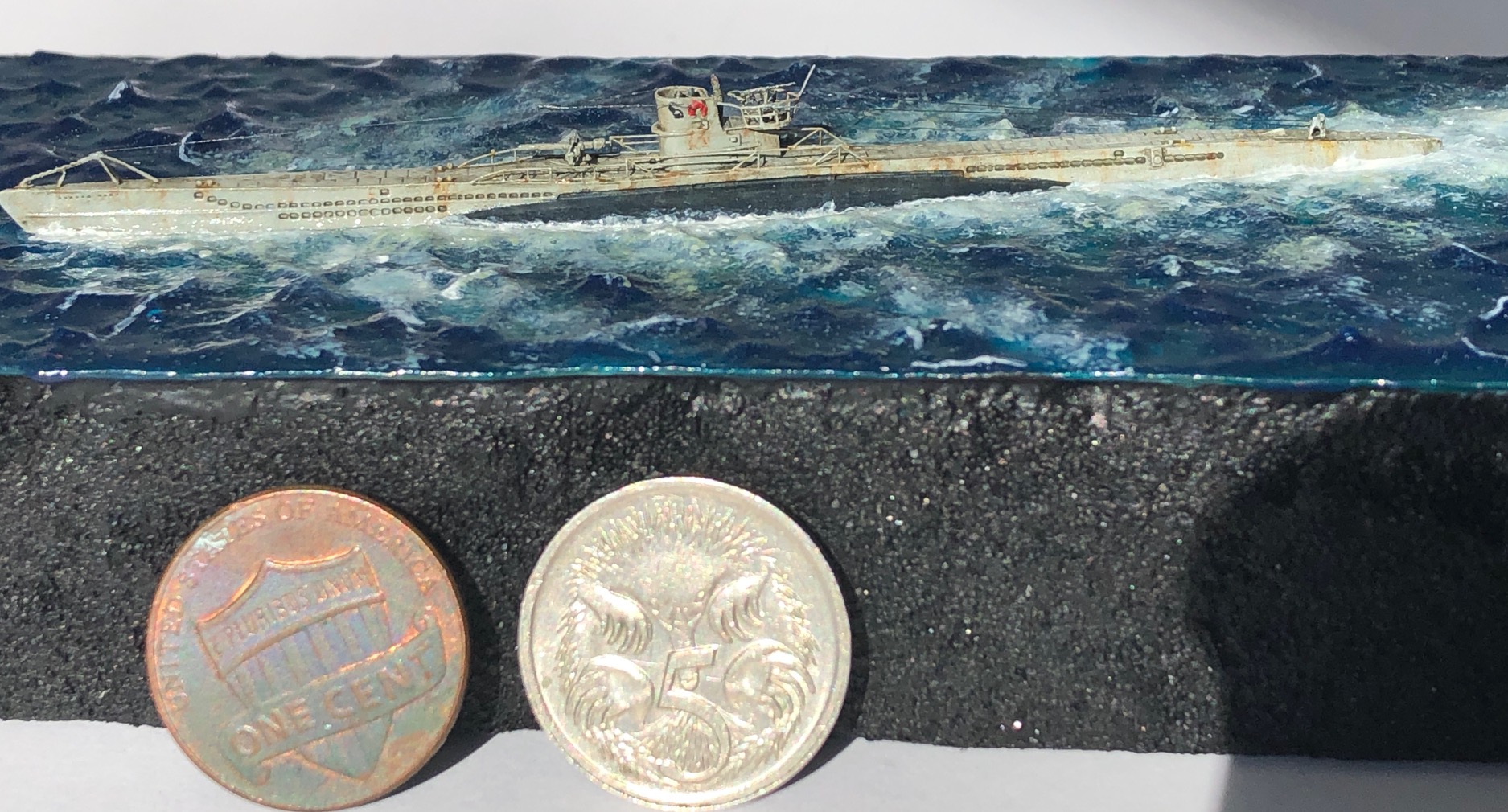
What follows looks simple: people sitting around a table, building small-scale replicas of aircraft, ships and vehicles, piece by piece. However, for the patients on our Beeches Ward, who are receiving treatment for PTSD and trauma as veterans or current serving first responders, those two hours are about something more than the model in front of them.
A hobby with a long history
The ACT Modelling Society has been part of Canberra's community since 1972, when a local hobby shop asked members of the public to help build models for a window display. More than fifty years later, it is the largest club of its kind in the country, with around 216 members and a reach that extends across Australia and overseas through its membership base, social media presence and annual exhibition, Scale ACT.
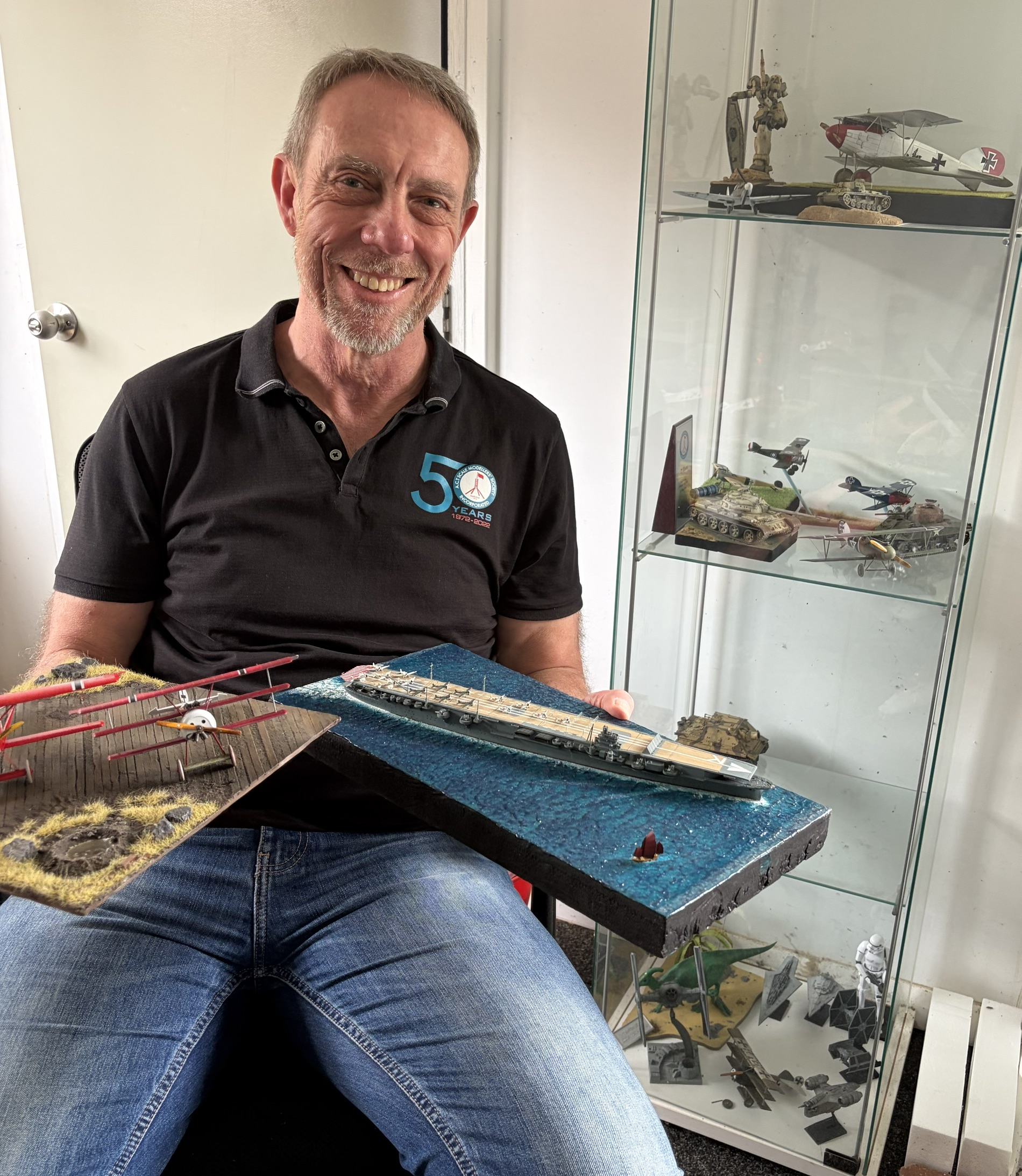
Craig Stanley has been a member of the society since 2016, not long after settling back in Canberra following 27 years of service in the Royal Australian Navy. He first picked up a kit as a child, stepped away from the hobby during his service years, and returned to it once life had settled into a new rhythm.
"It keeps you very much in the present," Craig says of what draws people to modelling. "You have a set of instructions or rules to follow that gradually progresses away until you finish, and you're just in the moment. You're not thinking about other things, you're not having other distractions."
The craft itself
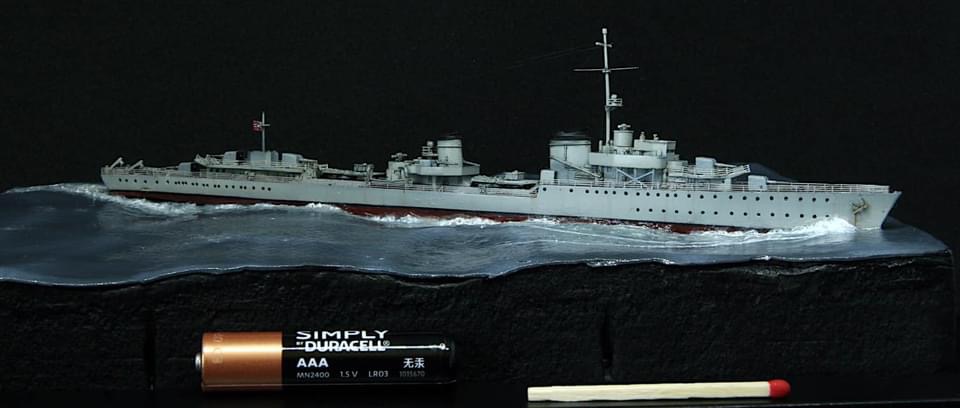
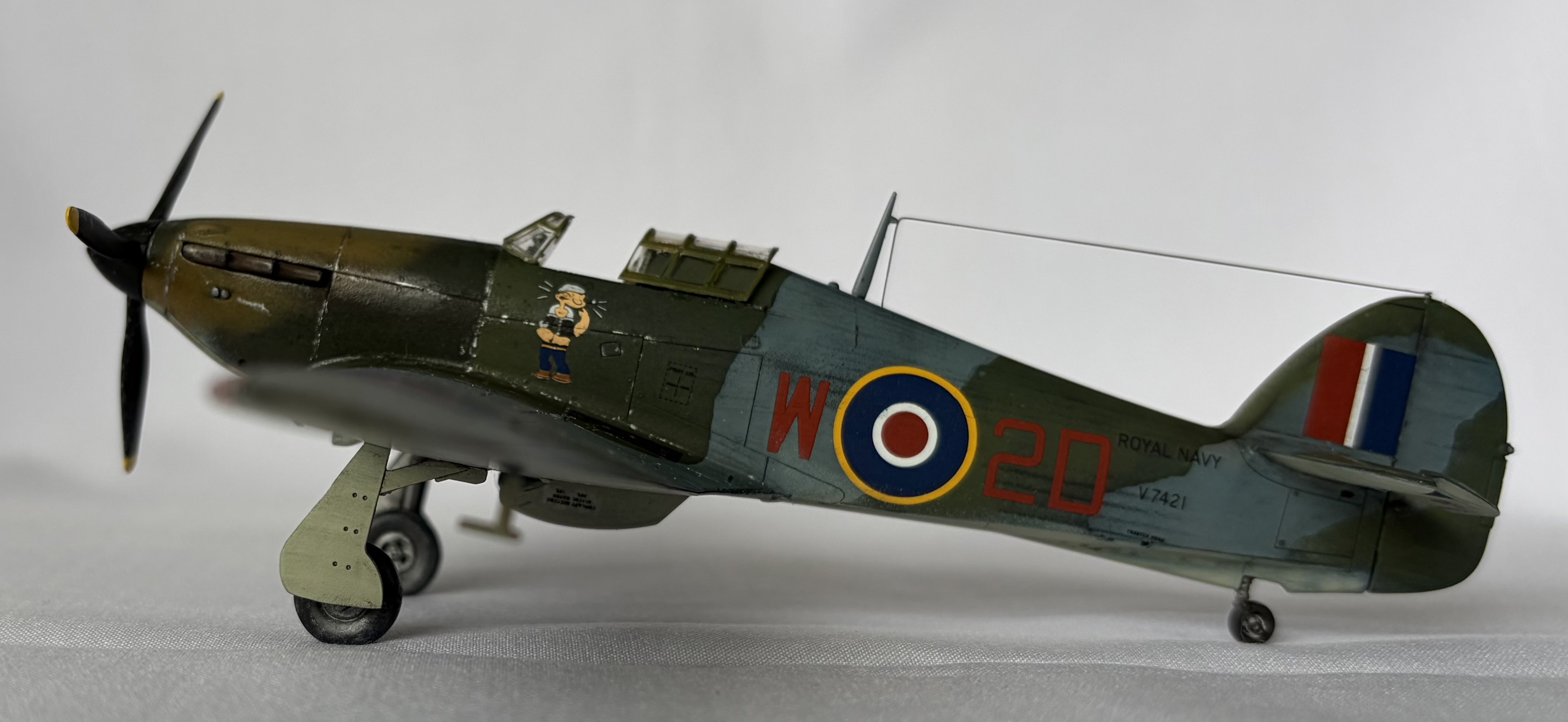
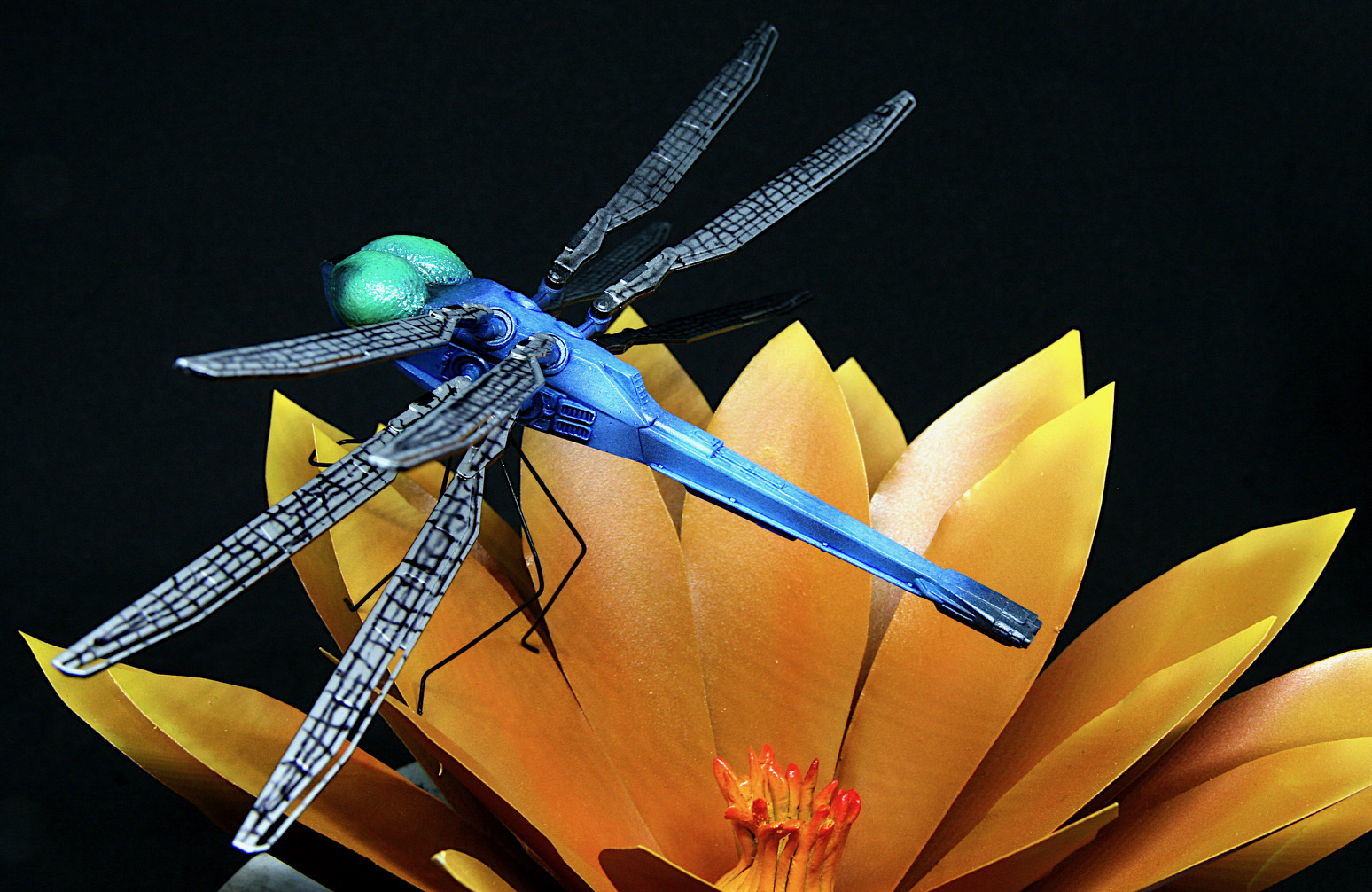
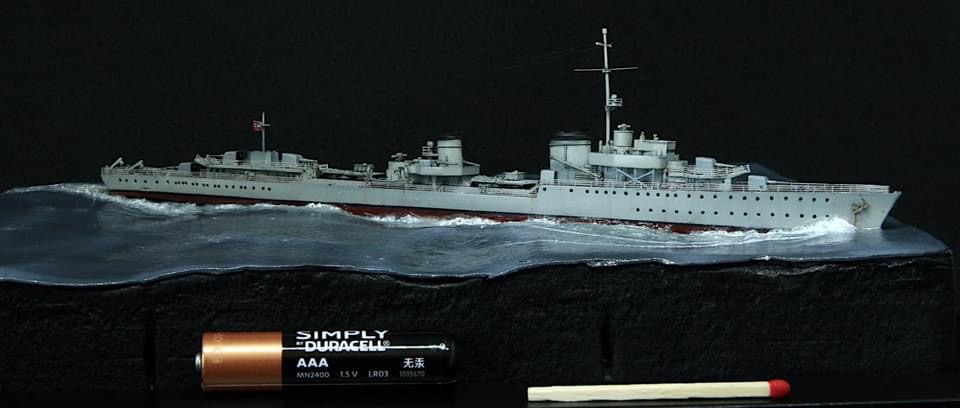
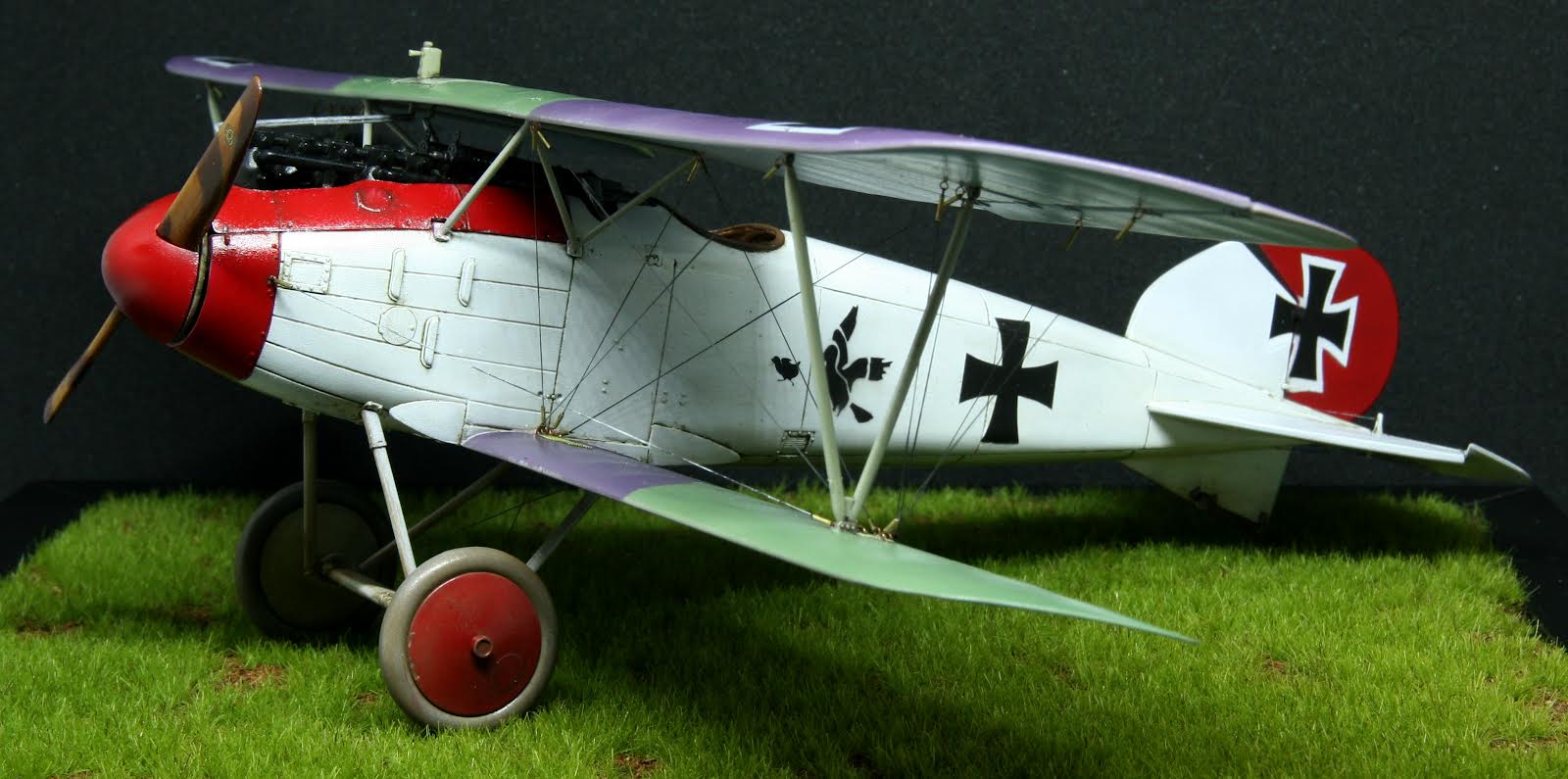
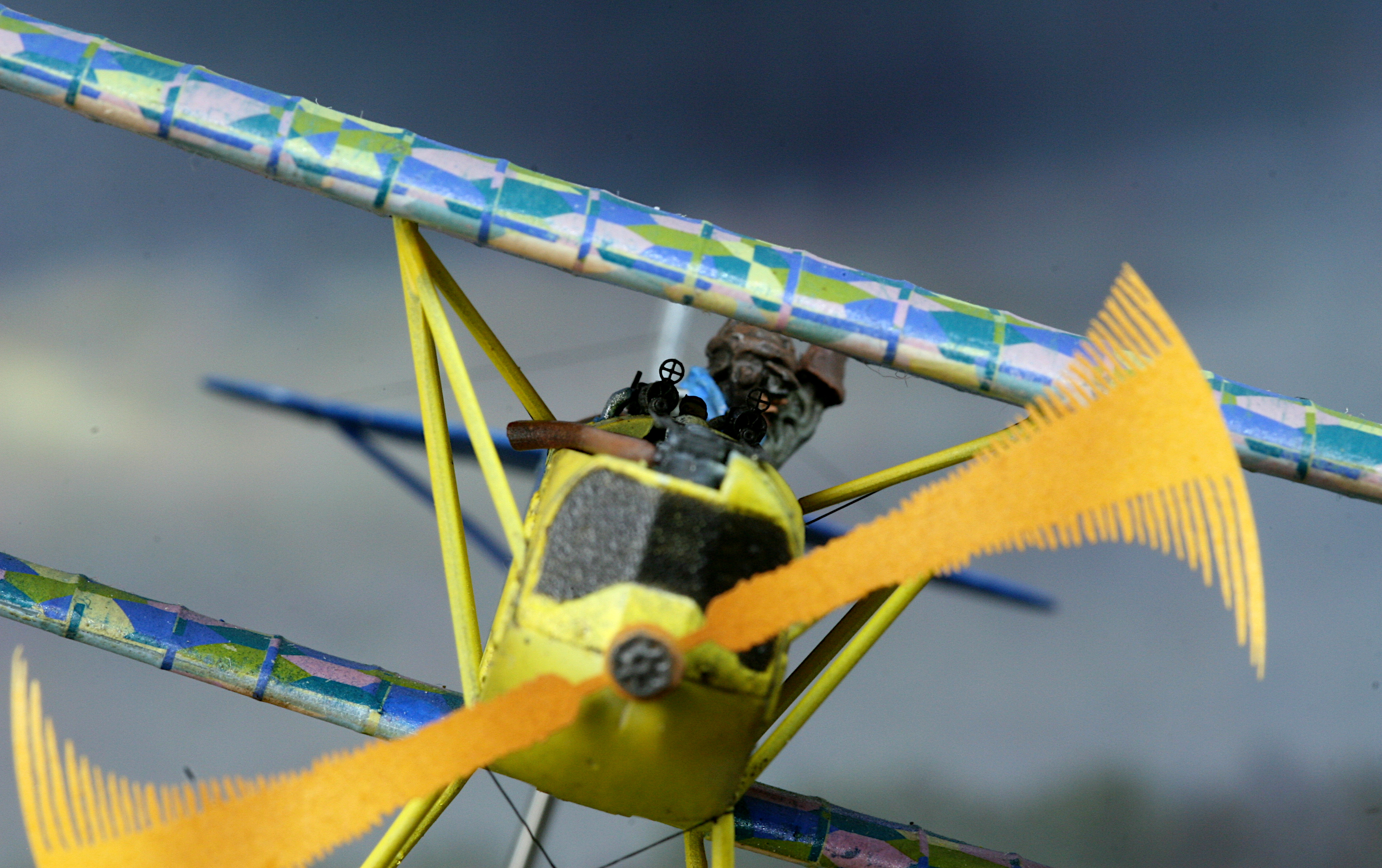
Modelling takes many forms, from historically accurate aircraft and ships built to scale, right down to matchstick-sized detail, to the sci-fi and fantasy genres gaining popularity among newer members. Regardless of subject matter, Craig says the appeal is largely the same: a set of hands, a clear task, and a slow, steady sense of progress.
It is not uncommon, he says, for a session to run three or four hours longer than planned, the outside world forgotten until the light outside changes.
Why it matters for wellbeing
This kind of focused, repetitive activity is far from unique to modelling; art therapists use similar principles in techniques like weaving and collage, where the goal is to draw a person's attention fully into the work in front of them. It is a form of expression and a way of occupying the hands while the mind settles into something other than its usual noise.
There is a growing body of research behind this. A 2023 study published in the British Journal of Occupational Therapy examined the impact of scale modelling on the mental wellbeing of UK military veterans, using a standard wellbeing scale to compare scores before and after participants engaged with the activity. The study found a measurable improvement in wellbeing among participants and pointed to modelling's capacity to help people reach a state of calm, focused absorption, sometimes described as "flow," as one likely reason why.
A shared understanding
For Craig, the connection with patients on the Beeches Ward often runs deeper than the shared table. Having served for nearly three decades himself, he regularly finds overlap with the people he works alongside.
"I've met someone who did the same trade I did in the Navy, or who worked with people I know," he says. "We (the facilitators) are not just strangers who don't understand what they've been through, because most of us do know what they've been through." He is careful to point out that the value isn't limited to veterans and first responders. Any group carrying similar experiences, he says, benefits from an activity that keeps concentration and conversation flowing without demanding anyone talk about anything they don't want to.
The hospital provides continuity by rostering the same facilitators across consecutive weekends, so patients, who typically stay for two to three weeks, see a familiar face throughout their admission. Patients can also access the tools on the ward to continue working on their projects during the week if they choose, and many do.
A quiet space for men
Scale modelling has traditionally been a male-dominated hobby, and the society's own membership reflects that, skewing older and male, though Craig is quick to note the number of women and younger members taking part is growing.
That demographic matters in a mental health context. Men are statistically less likely to seek support for their mental health or talk openly about what they're going through and often need an entry point that doesn't feel like therapy to begin opening up at all.
Craig doesn't claim the sessions are designed with that in mind. "It's not something that's a stated goal, but it's something we achieve just by being there," he says. Sitting shoulder to shoulder with tools in hand, rather than face to face in conversation, seems to lower the barrier. There's no expectation to talk, he explains, but the door is left open if someone wants to.
Part of a bigger picture
Deakin Private Hospital's Beeches Ward runs a dedicated Trauma & PTSD program for veterans and first responders. The scale modelling sessions sit alongside a broader mix of therapeutic activities, including art therapy, yoga, Tai Chi and sound bathing, in addition group therapy and medical treatment delivered in consultation with their psychiatrist. The aim, as with all of Deakin Private's programs, is to support the whole person during their stay and prepare them for life after discharge.
Programs like this are important. They offer something practical alongside clinical care: a reason to sit down, focus on something achievable, and spend a few hours in good company.
The ACT Modelling Society's annual exhibition, Scale ACT, runs on 7 and 8 November this year, open to the public and welcoming anyone curious to see what the society's members have been building.
Deakin Private Hospital also thanks Toy World, who generously donate and discount model kits in support of this program.
Reference: Lawrence, C. (2023). A small-scale study exploring the efficacy of scale modelling as an intervention for veteran wellbeing. British Journal of Occupational Therapy. https://doi.org/10.1177/03080226231208053
Reference: Beyond Blue. Men's mental health. https://www.beyondblue.org.au/mental-health/Mens-mental-health
Newsroom
Follow us
Thanks!
You've successfully subscribed to our newsletter